A MESSAGE

FROM THE PRESIDENT

OF ST. MARK'S

CONSISTORY


MARCH 

2026


Taking time to sit in silence withno phones, electronics, TV, or other distractions is an important way to help restore your body, mind and soul.  Science has proven that taking this time gives your body a chance to heal, rejuvenate new cells, lower blood pressure and quieting the chatter in your head brings clarity.


There is so much noise in the world that it can become hard to slow down and really listen and hear God talking to us.  We are now in the 40 days of Lent, and it is a good time to slow down and become more focused on what God is telling you.  Lent offers a time for personal reflection, repentance and reconciliation.  It is truly a time to shut out the distraction of life and be okay in silence.


According to Rev. Patricia L. Hunter, associate in ministry at Mount Zion Baptist Church, "Lent is generally an uncomfortable season, because if we are serious about reflecting on our spiritual journeys, we must face our disappointments and those areas where our walk does not match our talk."  This really struck me.  As a society we spend so much time telling people what is wrong with the world and the people around us, we forget to sit in silence and focus on ourselves and what we can do.


So, are you ready to take the leap and start focusing on Lent?  There is so much to gain.  I truly believe by taking this spiritual journey, you will build a stronger relationship with God, yourself, and the people around you.  Start with small steps, take a little time each day to sit quietly and listen for God to speak to you.  It's a great time to do a devotion, read the Bible, pray, talk to God, sit in silence so you can hear God talking to you.


Blessings,


Heather Stone, Consistory President



"No matter who you are or where you are on life's journey,

you are always welcome here."


ADVENT/CHRISTMAS

INTRODUCTION

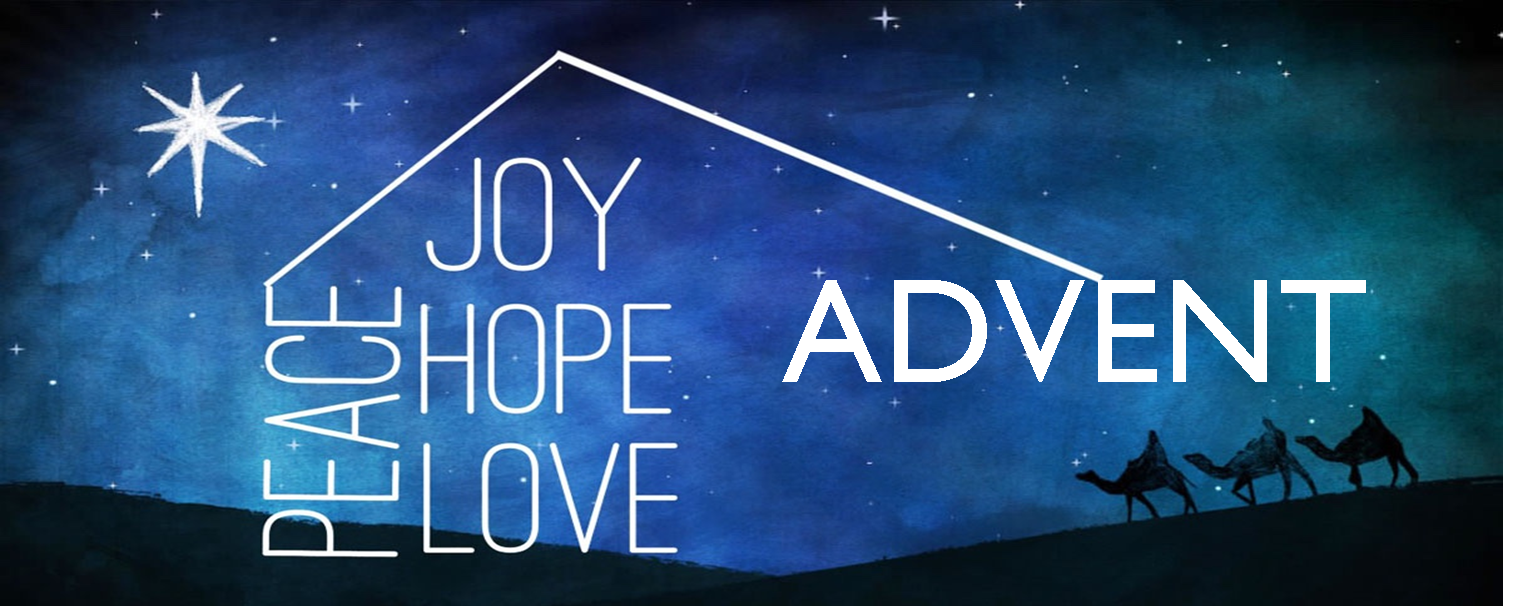
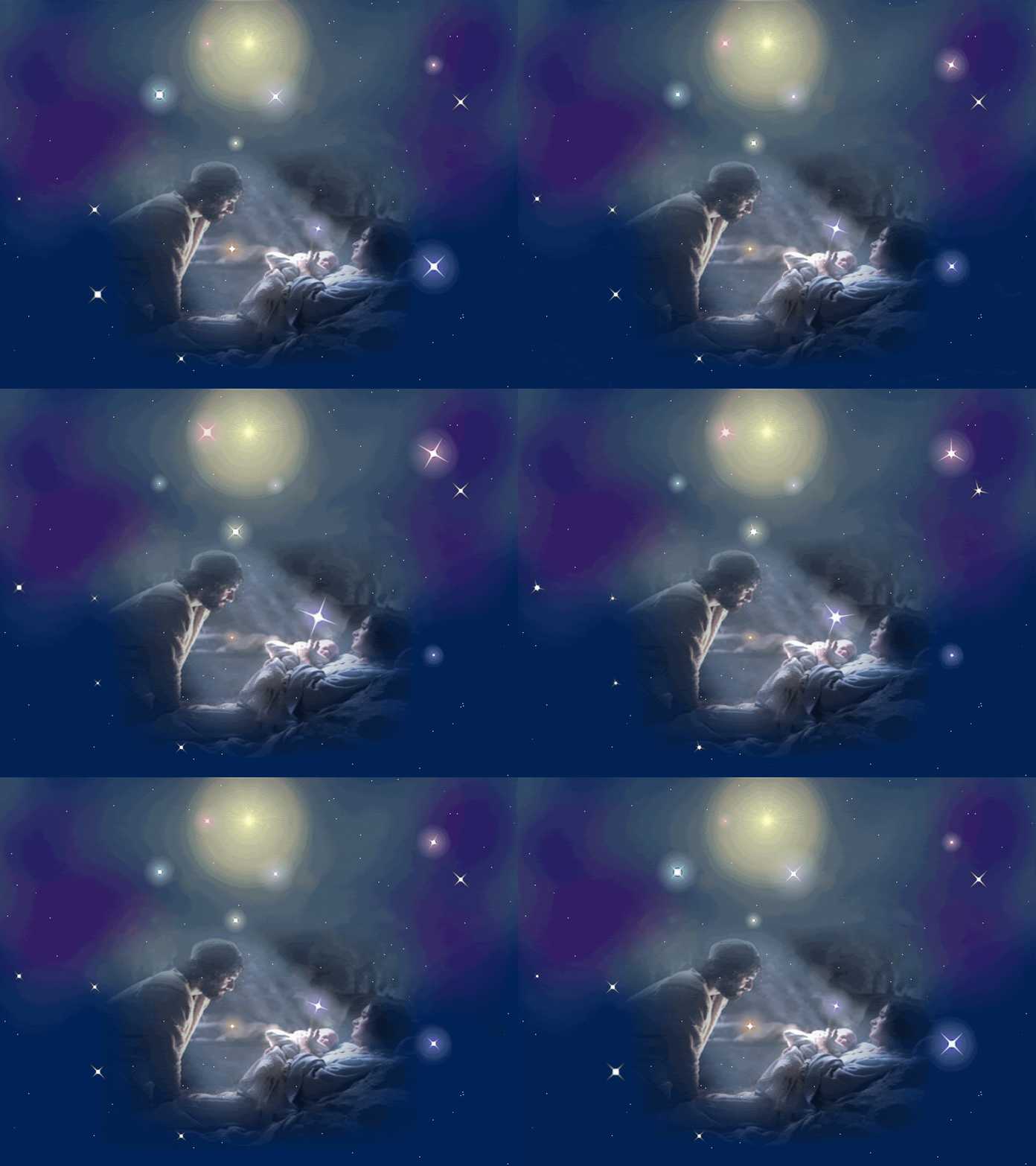
As the days grow shorter, we enter a period of waiting and preparation.  This is the season of Advent in which we await the coming birth of Jesus.  Advent is also the first season of the liturgical year and is a joyous and hopeful season in the church year.  The season of Advent begins on the fourth Sunday prior to Christmas Day.  The actual season of Advent can last from 22-28 days.  When Christmas Eve falls on a Sunday, it is the last Sunday of Advent.


The word advent comes from the Latin term "adventus" meaning "arrival" or "coming," particularly the coming of something having great importance.  Advent is both a time of joy-filled celebration of the birth of the Lord and a preparatory period for meditation.


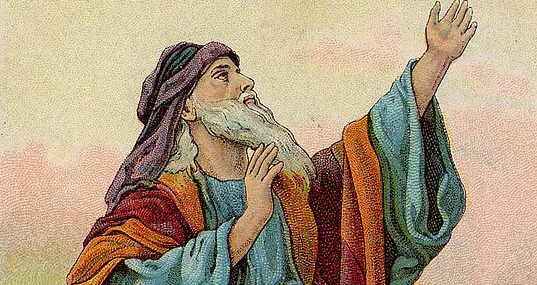
Although not specifically mentioned in the Bible, Advent is inspired by scripture.  The prophet Isaiah mentioned numerous times the prophecy of the birth of Jesus.


ISAIAH 7:14 (NIV)

Therefore, the Lord himself will give you a sign:  The virgin will conceive and give birth to a son, and will call him Immanuel.


ISAIAH 9:6-7 (NIV)

"For unto us a child is born,

to us a son is given,

and the government will be on his shoulders.

And he will be called

Wonderful Counselor, Mighty God,

Everlasting Father, Prince of Peace.

of the greatness of his government and peace

there will be no end.

He will reign on David's throne

and over his kingdom,

establishing and upholding it

with justice and righteousness

from that time on and forever.

The zeal of the Lord Almighty

will accomplish this."


ISAIAH 11:1 (NIV)

"A shoot will come up from the stump of Jesse; from his roots a Branch will bear fruit."


Isaiah foretold the birth of Jesus centuries before it occurred.


THE ORIGINS OF ADVENT

It is believed that Advent began sometime after the 4th Century as a time of preparation for Epiphany.  Epiphany celebrates the visit of the wise men.

Later in the 6th Century, Advent came to be associated with the coming of Jesus.

By the Middle Ages, four Sundays had become the standard of the Advent season.


ADVENT SYMBOLS AND CUSTOMS

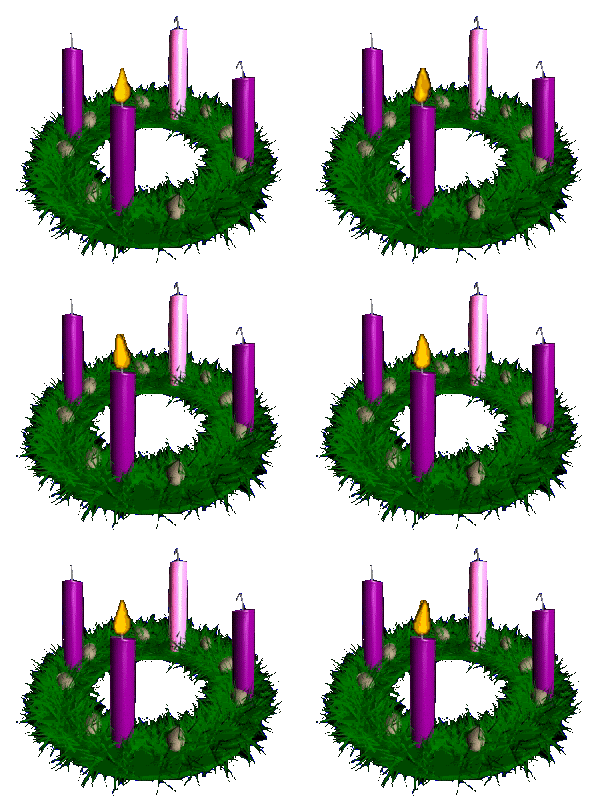
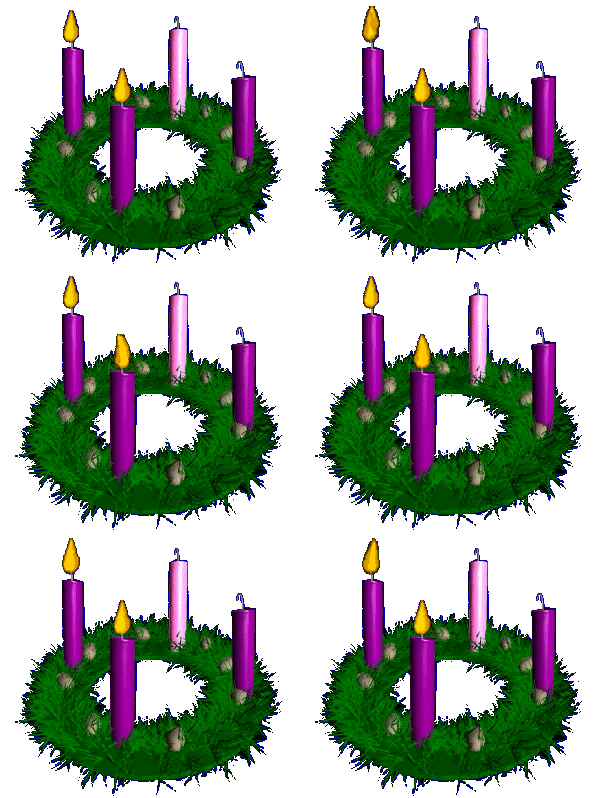
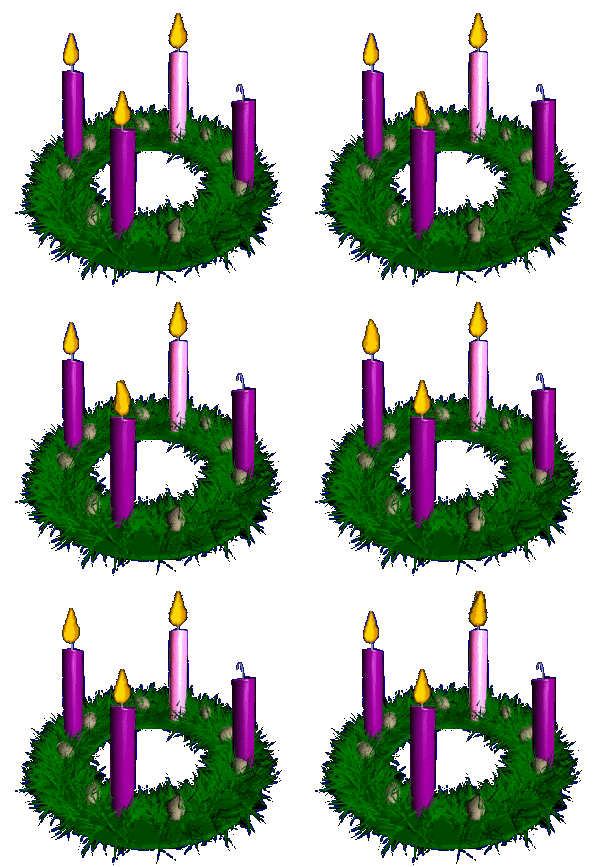
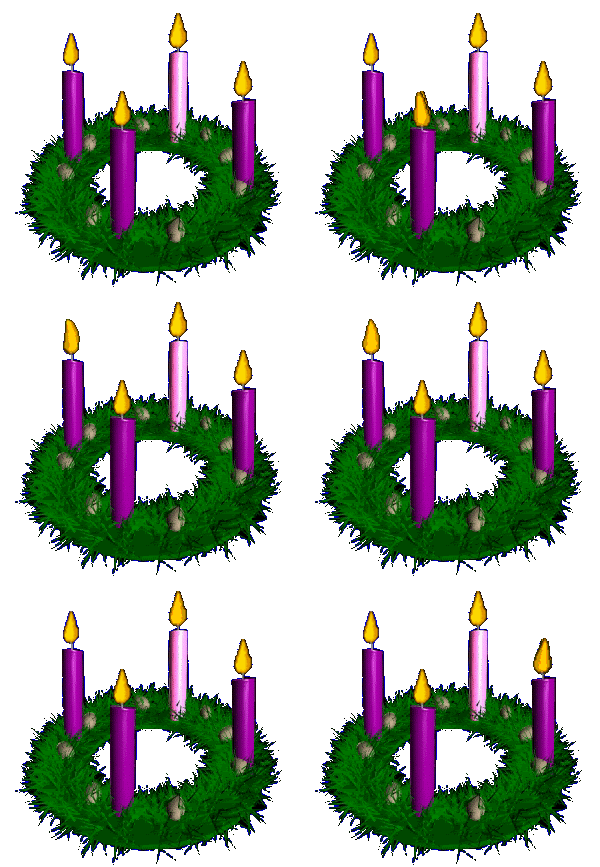
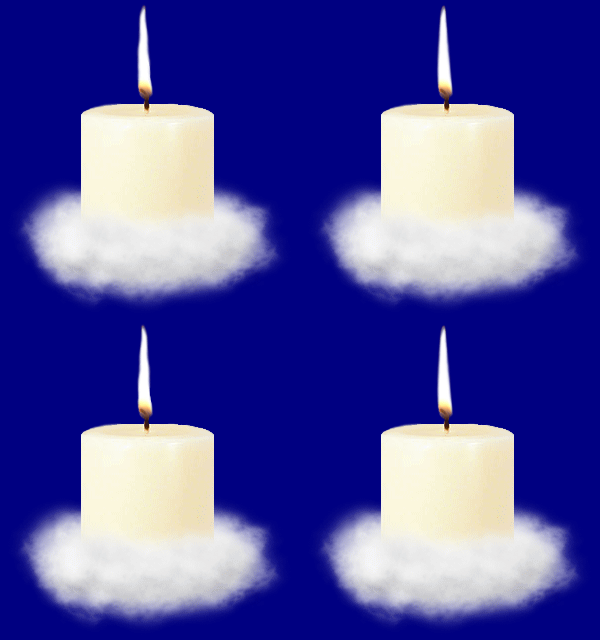
Perhaps one of the most important Advent symbols and customs is the Advent Wreath.  The Advent Wreath is a common symbol of the liturgical season.  Lighting an Advent Wreath is a custom that began in sixteenth-century Germany.  The Advent Wreath is a circle of evergreen branches or garland with four or five candles arranged on the wreath.  During the season of Advent, a candle on the wreath is lit each Sunday as a part of the Advent service.  The traditional Advent Wreath consists of three dark blue candles and one pink candle set in the wreath.  Often a single, larger white candle is placed in the center of the wreath.

The color of the Advent candles serve as a way to light the way to the birth of Jesus.


THE THEMES OF THE FOUR SUNDAYS OF ADVENT

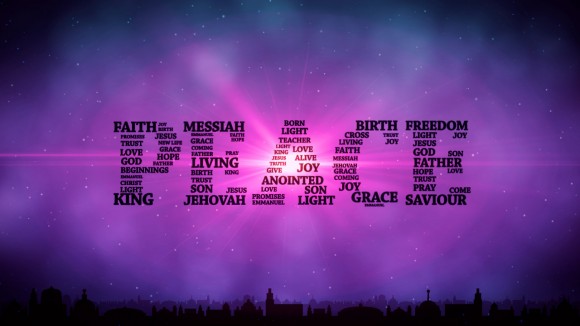
The first dark blue candle on the Advent Wreath symbolizes HOPE -- the first Sunday of Advent leads us to anticipation of the birth of Jesus.  Sometimes called the "Prophecy Candle" this candle reminds us of Isaiah's foretelling the birth of the Christ Child and that all of the promises God gave us in the Old Testament would be fulfilled the Christ Child's birth.

The second dark blue candle on the Advent Wreath symbolizes PEACE -- the second Sunday of Advent.  It is sometimes referred to as the "Bethlehem Candle" and reminds us of the journey of Joseph and Mary from Nazareth to Bethlehem before she gave birth to the Christ Child.  The candle also reminds us that after division, destruction, abd dispersion of the kingdom in the Old Testament, there might be peace on Earth.

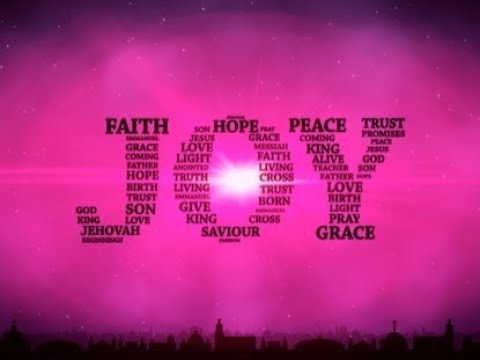
The third candle (pink) of Advent symbolizes JOY -- the third Sunday of Advent.  Sometimes the candle is referred to as the "Shepherd's Candle."  As we approach Christmas, our joys grows and takes us back to the joyful anticipation of the shepherds who travelled to see the Christ Child inthe town of Bethlehem.

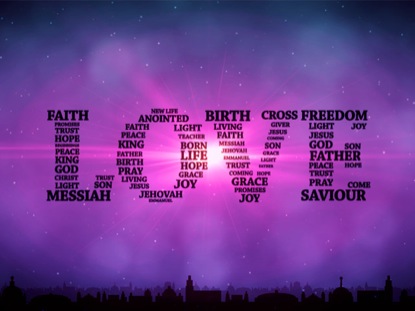
The fourth candle (dark blue) symbolizes LOVE -- the fourth Sunday of Advent.  The candle is sometimes referred to as the "Angel's Candle."  The candle represents the ultimate love of God that he might send his only Son for us and leads us to eagerly await the New Kingdom of God on Earth.  It also reminds us  of the message of the angels on the first Christmas -- "Peace on Earth, Good Will Toward Men."


The white candle in the middle of the Advent Wreath is lit on Christmas Eve.  It is called the "Christ Candle."  The candle represents the life of Christ and symbolizes purity.